
1. The Dawn’s End: England’s Brief Satisfaction
The second day began with the story still lingering in England’s favor—the final partnership of Rutter and Archer at the goalposts was quickly ended, with Archer being caught by a save from Doggett and Laboshane, stopping at 38 points, and England finishing with 334. This 70-point partnership at the goalposts raised the ceiling for the away team the previous night, making 334 seem less inadequate, especially in the context of the Pink Ball day-and-night competition.
For Australia, Stark finished with a 6/75, continuing his traditional advantage in the Pink Ball Test and surpassing Wasim Akram to become the most successful left-handed fastballer in Test history. As the entire England team left the field, a delicate balance seemed to remain: one side satisfied with their late run, the other maintaining their high spirits thanks to their star pitcher’s milestone.
2. Australia Takes the Stage: Three Players with Half a Century of Skill and the Inertia of a Home Ground
Once it was Australia’s turn to hit, the pace of the game quickly shifted towards the home team. The newly formed duo of Jack Wetherlow and Travis Hurd started with 77 runs, paving a wide path for their comeback attempt. Hurd finished with 33 runs, but had already helped the team escape the danger zone of the early game.
What truly put England on the back foot was the performance of three players with half a century of skill:

- Wetherlow scored 72 runs, hitting 78 balls to maintain a near-constant pace throughout the set.
- Laboshane scored 65 runs, patiently building up time for his opponent as usual.
- Steve Smith provided mid-game support with 61 runs, keeping the scoreboard steadily high until he left the table.
With the three players having completed their respective tasks, Australia essentially seized control of the game.
3. England’s Hidden Wounds: Five Missed Opportunities and Their Cost
Looking only at the score, it’s easy to assume Australia completely dominated their opponents in terms of technique and form. However, there’s another side to the story: England’s five missed opportunities. These lost returns, scattered across different stages, were like slowly accumulating cracks, gradually turning a situation where they were at a slight disadvantage into a significant deficit.
The most typical example comes from Alex Carey: he was allowed a chance on the first ball, then received another opportunity at 25 points, ultimately finishing the day with 46 points. These 46 points aren’t dazzling, but they added almost an entire “error zone” to their lead, turning Australia from a slight lead into a position “closer to control of the game.”
4. Cass and Archer’s Counterattack: Not a Complete Collapse in the Late Stage
Despite being dominated overall, England wasn’t without the power to fight back. Breden Cass found his rhythm midway through the day, hitting the woodwork three times, including by Smith and Green, ultimately preventing Australia from breaking 400 points on the second day.
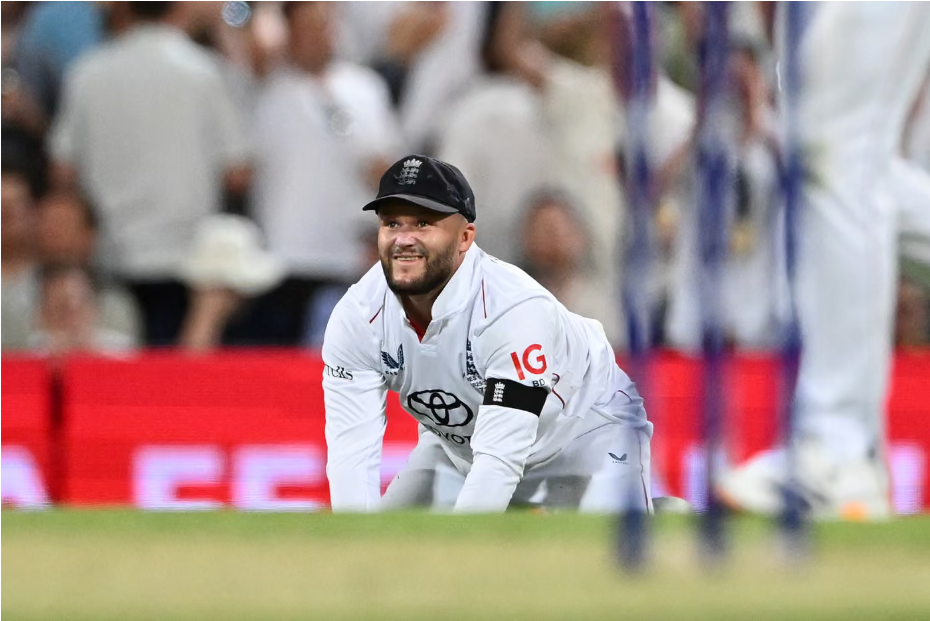
Archer, on the other hand, caused problems for Australia in terms of speed and rhythm at the start. His Yorke goal that ended Wetherard’s hot start froze the ball in the 72nd minute, finally giving England a chance to turn the game from a snowball to a more dynamic one. But by the end of the day, all these efforts were only enough to keep the situation in a state of “still struggling, not yet overturned.”
5. Final Scoreboard: A 44-Point Lead, More Than Just a Number
At the end of the second day, the scoreboard showed Australia leading 378-6, a 44-point lead, with Carey still in contention at 46 points and Nesse at 15. For the home team, this meant they could comfortably build an even larger lead on Day 3, allowing their fast-paced group to capitalize on the momentum from the pink ball and Gaba to put pressure on England in the second inning.
For England, the 44 runs weren’t insurmountable, but they symbolized a familiar sense of passivity:
- Despite a 138-run run by Rutter and a 76-run run by Crawley in the first inning, they were still trailing before the end.
- While there were sporadic bright spots in the pitching from Cass and Archer, they were overshadowed by five missed catches.
By the end of Day 2, the game was far from over, but Ashes’s scales had clearly tipped in favor of the home team. In the following days, England would face not only the deficit, but also that familiar feeling that repeatedly surfaced on this pitch: having chances, yet letting them slip through their fingers time and again.